By Thrive Family Dentistry of Auburn | July 13, 2026
Deciding between Invisalign and traditional braces is one of the biggest choices adults face in orthodontic care. When comparing Invisalign vs. braces for adult comfort and cost in Auburn, the answer is rarely one-size-fits-all. Both options can straighten teeth effectively. But they differ significantly in how they feel, look, and fit into daily life. At Thrive Family Dentistry of Auburn, Dr. Rachael Cross helps adult patients weigh every factor before committing to a treatment plan.
Comfort and Lifestyle: How Invisalign and Braces Compare for Adults in Auburn
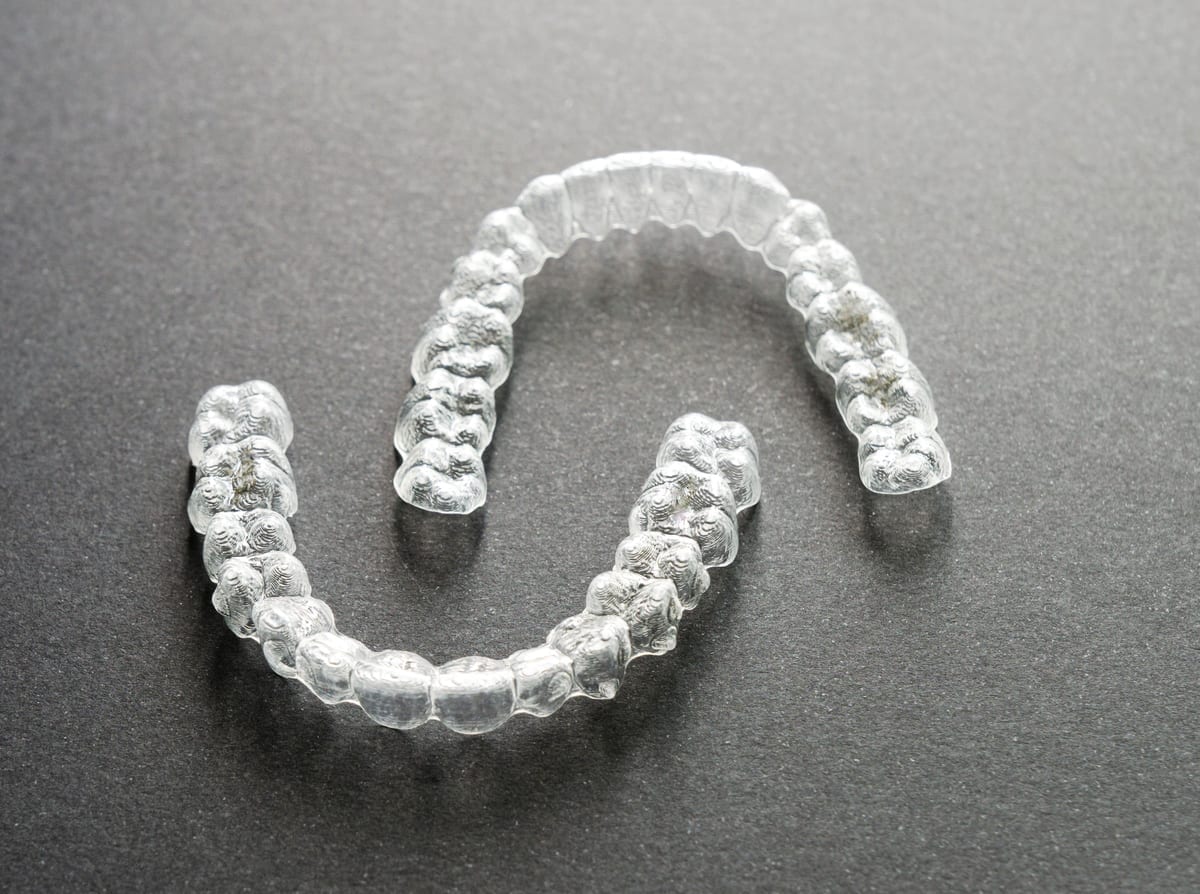
Comfort is often the first concern adults raise. Traditional metal braces use brackets and wires that can irritate the inside of your mouth. Most patients report soreness after each adjustment appointment. Invisalign aligners are smooth plastic trays that fit snugly over your teeth. They typically cause less irritation to soft tissue.
Lifestyle fit matters just as much as physical comfort. Invisalign trays are removable, so you can eat any food without restriction. You simply take them out at meals and put them back in afterward. Braces require avoiding hard, sticky, or chewy foods throughout treatment.
Oral hygiene is also easier with Invisalign. You remove the aligners to brush and floss normally. With braces, cleaning around brackets and wires takes extra time and special tools. For busy adults in Auburn, that convenience factor carries real weight.
Visibility and Appearance: Which Option Looks Better at Work and in Social Settings
Most adults seeking orthodontic treatment want something discreet. Invisalign aligners are nearly invisible when worn. Colleagues and friends often cannot tell you are in treatment at all. This makes Invisalign especially popular among working professionals.
Metal braces are visibly noticeable in all social and professional settings. Ceramic or tooth-colored braces are less obvious but still visible up close. For adults who feel self-conscious about their appearance, this difference is significant. Invisalign wins clearly on aesthetics for most adult patients.
- Invisalign aligners are clear and nearly undetectable
- Metal braces are highly visible in photos and face-to-face conversations
- Ceramic braces blend better but still show on close inspection
- Invisalign has no metal wires that catch light or food
- Confidence during treatment often improves with Invisalign
Cost Comparison: What Adults in Auburn Should Know About Pricing
Cost is a major factor in the Invisalign vs. braces decision. In general, Invisalign and braces fall within a similar price range for adults. Traditional metal braces typically cost less at the lower end. Invisalign pricing depends heavily on the complexity of your case.
Complex bite corrections or severe crowding may cost more with Invisalign. Mild to moderate cases often fall right in line with braces pricing. Your total cost depends on treatment length, the number of aligners needed, and any refinements required. Dr. Cross reviews each patient’s case individually to provide an accurate estimate.
There are also indirect costs to consider. Broken brackets or emergency adjustment visits can add to the total cost of braces. With Invisalign, losing or damaging an aligner may require a replacement tray fee. Both options require a retainer after treatment to maintain your results.
- Metal braces tend to have lower starting costs
- Invisalign pricing is case-dependent and varies by complexity
- Both options require retainers after treatment ends
- Emergency repair costs can affect the total cost of braces
- Replacement aligners add cost if trays are lost or damaged
Treatment Scope: What Each Option Can and Cannot Fix
Braces have a longer clinical history and can treat a wider range of orthodontic issues. They work well for severe crowding, significant overbites, underbites, and complex bite problems. The brackets and wires apply continuous pressure in precise directions. This level of control is hard to replicate with aligners alone.
Invisalign technology has improved dramatically over the past decade. It now treats many mild to moderate alignment issues, spacing problems, and even some bite corrections. However, very complex cases may still be better suited to traditional braces. Dr. Cross evaluates each patient’s full bite and jaw structure before recommending either option.
Adults with missing teeth may also need to consider other restorative options alongside orthodontic treatment. For example, some patients explore Dental Implants to replace missing teeth before or after straightening existing ones. Coordinating these treatments creates the best long-term outcome. It is important to plan the full picture from the start.
Preventive care also plays a role during orthodontic treatment. Protective measures like Dental Sealants can help protect teeth during longer treatment periods. Ask Dr. Cross whether this makes sense for your situation. Every treatment plan at Thrive Family Dentistry is tailored to the whole patient, not just the teeth being moved.
Compliance and Commitment: The Reality of Wearing Aligners as an Adult
Invisalign requires you to wear your aligners for 20 to 22 hours per day. That level of compliance is essential for the treatment to work on schedule. Adults who are disciplined and motivated tend to do very well with Invisalign. Those who frequently forget to put aligners back in may not see ideal results.
Braces require no such discipline since they are fixed to your teeth. You cannot remove them, so compliance is automatic. For some adults, that built-in structure is actually an advantage. It removes the temptation to skip wearing the trays during busy days.
Talk honestly with Dr. Cross about your daily routine and habits. She will help you determine which option fits your lifestyle best. There is no wrong answer — only the answer that works for you. Making the right choice from the start saves time and money in the long run.
Which Option Is Right for You? Making the Decision in Auburn
The best choice between Invisalign and braces depends on your unique case. Your bite complexity, lifestyle, budget, and aesthetic preferences all matter. No two adult patients are exactly alike. A thorough consultation with Dr. Rachael Cross is the best starting point.
At Thrive Family Dentistry of Auburn, we take time to explain every option clearly. We use X-rays, photos, and digital records to assess your teeth accurately. You leave your consultation with a clear understanding of your options and estimated costs. Our goal is to help you make a confident, informed choice.
Whether you choose Invisalign or braces, a straighter smile improves both your confidence and your oral health. Auburn adults deserve care that fits their real lives. We are here to make that possible. Book Now to schedule your appointment with our team.
Frequently Asked Questions
Is Invisalign more comfortable than braces for adults?
Most adults find Invisalign more comfortable because the smooth plastic trays cause less irritation than metal brackets and wires. However, both options cause some soreness when teeth are actively moving. Invisalign tends to feel more manageable for daily wear and speech over time.
How much does Invisalign cost compared to braces in Auburn, AL?
Costs vary based on case complexity and treatment length. In general, both options fall within a comparable price range for adults. Simple Invisalign cases can cost less than complex braces cases. Dr. Cross provides personalized cost estimates during your consultation at Thrive Family Dentistry of Auburn.
Can Invisalign fix severe bite problems for adults?
Invisalign works well for mild to moderate crowding, spacing, and some bite corrections. Very severe bite problems or complex jaw misalignment may still require traditional braces for the most effective result. Dr. Cross will assess your bite and recommend the option most likely to achieve your goals.
Do I need a retainer after Invisalign or braces?
Yes. Both Invisalign and traditional braces require a retainer after treatment ends. Retainers hold your teeth in their new positions and prevent them from shifting back. Wearing your retainer as directed is essential for protecting your investment in a straighter smile.
How long does Invisalign take for adults compared to braces?
Invisalign treatment for adults typically takes 12 to 18 months for moderate cases. Traditional braces often take 18 to 24 months or longer for complex corrections. Your actual timeline depends on your specific orthodontic needs. Dr. Cross will give you a realistic estimate based on your individual case.