
By Thrive Family Dentistry of Auburn | September 7, 2026
If you have a missing tooth, you are not alone. Many Auburn residents wonder whether a dental bridge is right for their missing teeth gap in Auburn. The answer depends on several personal factors. Dr. Rachael Cross at Thrive Family Dentistry of Auburn helps patients find the best solution for their unique smile.
A dental bridge can close a gap, restore your bite, and improve your confidence. But not every patient is an ideal candidate. Understanding the evaluation process helps you make an informed decision about your care.
What Is a Dental Bridge and How Does It Work?
A dental bridge is a fixed restoration that replaces one or more missing teeth. It uses the teeth on either side of the gap as anchors, called abutment teeth. A custom artificial tooth, called a pontic, fills the space between them. The result is a natural-looking, functional replacement.
Bridges are cemented permanently into place. You do not remove them like dentures. Most patients adjust to them quickly and enjoy restored chewing ability. Bridges can last ten to fifteen years or longer with proper care.
There are several types of bridges available. Traditional bridges are the most common option. Cantilever bridges work when only one adjacent tooth is available. Maryland bridges use a metal or porcelain framework bonded to neighboring teeth.
Am I a Good Candidate for a Dental Bridge in Auburn?
Determining whether a dental bridge is right for your missing teeth gap in Auburn starts with a thorough evaluation. Dr. Cross considers several factors before recommending a bridge. Your overall oral health plays a major role in candidacy.
Strong, healthy anchor teeth are essential. The abutment teeth must be able to support the bridge without risk of damage. If these teeth are weakened or heavily decayed, a bridge may not be the best choice.
Good candidates for a dental bridge typically share these qualities:
- One or more adjacent missing teeth in a row
- Healthy gum tissue without active periodontal disease
- Strong neighboring teeth that can serve as anchors
- Adequate jawbone density to support surrounding structures
- A commitment to consistent oral hygiene at home
- No untreated cavities or infections in the area
If you have significant bone loss or unhealthy gums, Dr. Cross may recommend treatment before placing a bridge. Addressing these issues first leads to better long-term outcomes.
What Does the Evaluation Process Involve?
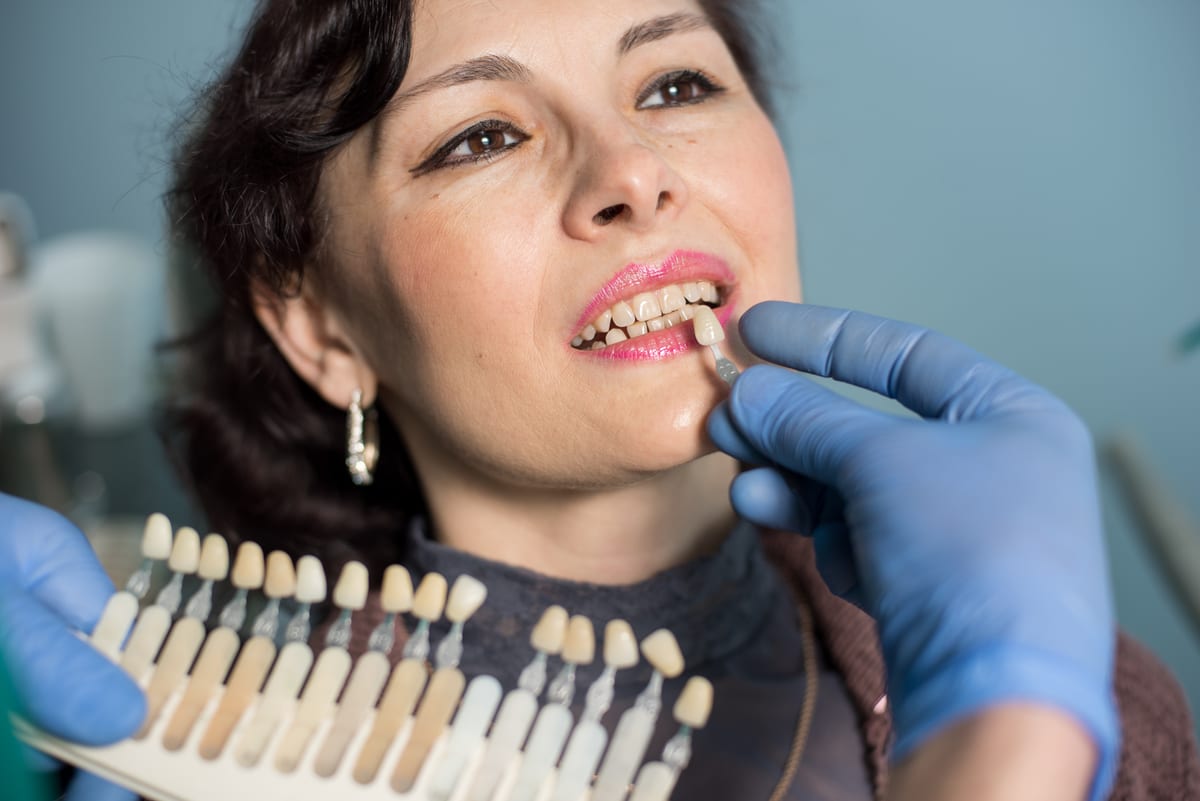
Your first step is a comprehensive dental exam at Thrive Family Dentistry of Auburn. Dr. Cross will review your dental and medical history. She will take digital X-rays to assess your bone levels and surrounding teeth. This full picture helps her recommend the most appropriate treatment.
She will also evaluate the health of your gums. Active gum disease must be treated before placing a dental bridge. Healthy gum tissue provides a stable foundation for your restoration.
During your consultation, expect the following steps:
- A visual and clinical examination of your teeth and gums
- Digital X-rays to assess bone structure and root health
- A review of your bite alignment and jaw function
- A discussion of your goals, lifestyle, and long-term preferences
- A comparison of available treatment options for your specific gap
Dr. Cross takes a patient-centered approach to every consultation. She explains your options clearly and answers all your questions. You will never feel rushed or pressured during your visit.
Dental Bridges vs. Other Options for Missing Teeth in Auburn
A dental bridge is not the only solution for a missing tooth. Comparing your options helps you choose the best fit. Dr. Cross will walk you through each choice based on your specific situation.
Dental Implants Auburn are another popular solution for missing teeth. Implants replace the tooth root with a titanium post. They do not require altering healthy adjacent teeth. Many patients prefer implants for their durability and bone-preserving benefits.
However, implants require adequate bone density and a surgical procedure. Healing time is longer than with a bridge. Some patients prefer bridges because the process is faster and less invasive.
Partial dentures are a removable alternative. They cost less upfront but may feel less stable over time. They also require removal for cleaning, which some patients find inconvenient.
Your lifestyle, budget, and health history all influence the best choice. Dr. Cross compares all options honestly. She never recommends treatment that is not right for your specific needs.
Caring for Your Dental Bridge After Placement
Proper maintenance extends the life of your dental bridge significantly. Brushing twice daily is essential for bridge longevity. You should also floss carefully around the bridge using a floss threader or water flosser. This removes plaque from areas that a regular toothbrush cannot reach.
Avoid chewing hard foods like ice or hard candy directly on your bridge. These habits can crack or dislodge the restoration. Sticky foods can also put undue stress on the anchor teeth.
Regular checkups at Thrive Family Dentistry of Auburn are equally important. Dr. Cross monitors your bridge, gums, and anchor teeth at each visit. Early detection of any issues keeps small problems from becoming costly ones.
Patients who care for their teeth properly with Dental Sealants Auburn and other preventive treatments often enjoy longer-lasting dental work. Prevention is always the most cost-effective approach to oral health.
Conclusion: Find Out If a Bridge Is Right for You
A dental bridge can be a life-changing solution for the right patient. It restores your smile, supports your bite, and prevents neighboring teeth from shifting. The key is working with a trusted dentist who takes time to evaluate your unique situation. Dr. Rachael Cross and the team at Thrive Family Dentistry of Auburn are here to guide you every step of the way. Book Now to schedule your appointment with our team.
Frequently Asked Questions
How do I know if a dental bridge is right for my missing teeth gap in Auburn?
The best way to find out is through a comprehensive evaluation with Dr. Rachael Cross. She assesses your gum health, bone density, and neighboring teeth to determine if a bridge is a good fit. Every patient’s situation is different, and a personalized exam gives you the most accurate answer.
How long does it take to get a dental bridge?
Most dental bridges require two visits spaced a few weeks apart. During the first visit, Dr. Cross prepares the anchor teeth and takes impressions. A temporary bridge protects the area while your permanent restoration is crafted. At the second visit, she places and adjusts the final bridge.
Does getting a dental bridge hurt?
The procedure is performed under local anesthesia, so you should not feel pain during treatment. Some patients experience mild soreness or sensitivity after the appointment. This typically resolves within a few days. Dr. Cross provides guidance on managing any post-procedure discomfort.
Can a dental bridge fail, and what causes that?
Bridges can fail if the anchor teeth develop decay or gum disease underneath the restoration. Poor oral hygiene is the most common contributing factor. Attending regular checkups and maintaining good home care habits greatly reduces the risk of bridge failure.
Is a dental bridge a permanent solution?
Dental bridges are long-lasting but not considered permanent in the same way as implants. With proper care, they typically last ten to fifteen years or more. At that point, a replacement bridge may be needed depending on wear and the health of your surrounding teeth.