By Thrive Family Dentistry of Auburn | August 17, 2026
Many Auburn residents ask the same question before scheduling a whitening appointment. Is professional teeth whitening safe for your enamel and gums in Auburn? It is a fair and important question. Understanding the science behind whitening helps you make a confident, informed decision about your smile.
The short answer is yes — when performed or supervised by a dentist, professional whitening is considered safe for most healthy adults. However, safety depends on several key factors. This article breaks down what the research says, what risks exist, and who should approach whitening with caution.
How Professional Teeth Whitening Works on Enamel
Professional whitening uses hydrogen peroxide or carbamide peroxide as the active ingredient. These compounds penetrate the enamel surface and break apart stain molecules inside the tooth. The enamel itself is not removed or dissolved during this process.
Some patients worry that peroxide permanently damages enamel. Studies show that professionally applied concentrations do not cause lasting structural harm. Temporary mineral loss can occur, but saliva naturally remineralizes enamel within 24 to 48 hours after treatment.
Over-the-counter products work similarly but use lower concentrations. The key difference with in-office whitening is precision. Dr. Rachael Cross controls the concentration, application time, and protective measures at Thrive Family Dentistry of Auburn. That level of control significantly reduces unnecessary enamel exposure.
Is Professional Teeth Whitening Safe for Gum Sensitivity in Auburn?
Gum sensitivity is one of the most common concerns patients raise. Whitening gels can irritate soft tissue if they contact the gums during treatment. In a professional setting, a dentist applies a protective barrier to your gums before the gel is placed.
This barrier shields the gingival tissue from direct peroxide exposure. Without this protection, patients can experience temporary gum blanching or soreness. These effects are usually mild and resolve within a day or two.
At-home whitening trays from a dentist are custom-fitted to your teeth. This precise fit minimizes gel overflow onto the gums. Generic store-bought trays do not offer the same custom fit, which increases gum contact and irritation risk.
- Custom trays reduce gel contact with soft tissue
- Professional barriers protect gum tissue during in-office sessions
- Temporary gum irritation typically resolves within 48 hours
- Dentist supervision allows for immediate adjustments if sensitivity occurs
Who Should Avoid or Delay Professional Teeth Whitening?
Whitening is not the right choice for every patient. Certain conditions increase the risk of complications or reduce whitening effectiveness. Dr. Cross screens patients thoroughly before recommending any whitening treatment.
You may need to delay or avoid whitening if any of the following apply:
- Active gum disease or untreated cavities
- Severely worn or cracked enamel
- Existing crowns, veneers, or bonding on front teeth — these do not whiten
- Pregnancy or breastfeeding
- Known sensitivity to peroxide-based products
- Teenagers under age 16, whose pulp chambers are still developing
Patients with restorations like crowns should understand that whitening agents do not affect ceramic or composite materials. Whitening natural teeth alongside restorations can create visible color mismatches. This is a practical reason to consult a dentist before starting any whitening regimen.
Patients missing multiple teeth may be exploring options like Dental Implants Auburn before considering cosmetic improvements like whitening. Addressing structural concerns first always leads to better long-term outcomes.
Managing Tooth Sensitivity After Whitening Treatments
Tooth sensitivity during or after whitening is the most frequently reported side effect. It occurs because peroxide temporarily increases the porosity of enamel. This allows temperature changes and air to stimulate the nerve more easily.
Sensitivity from professional whitening is almost always short-term. It typically peaks within 24 hours and fades within 48 to 72 hours. Using a desensitizing toothpaste in the days before and after treatment helps reduce discomfort significantly.
Dr. Cross may also recommend fluoride treatments post-whitening. Fluoride strengthens enamel and reduces post-treatment sensitivity effectively. Patients with naturally sensitive teeth should discuss this with their dentist before beginning any whitening protocol.
Patients who benefit from preventive treatments like Dental Sealants Auburn often have stronger enamel baseline health. A strong enamel foundation before whitening generally means a more comfortable experience overall.
Professional Whitening vs. Store-Bought Options: A Safety Comparison
The whitening aisle at any Auburn pharmacy offers dozens of products. Strips, gels, and whitening toothpastes all promise brighter teeth. Understanding the safety differences helps patients make smarter choices.
Store-bought strips use lower peroxide concentrations than professional treatments. Lower concentrations mean slower results and often more inconsistent application. Uneven placement can leave some areas of teeth untreated while over-exposing others.
Whitening toothpastes primarily rely on abrasive particles rather than peroxide. Overuse of highly abrasive toothpastes can gradually wear enamel over time. This is a risk that professional whitening, used occasionally and correctly, does not pose.
Professional treatments offer a clinically controlled environment. A dentist monitors your gum health, evaluates your enamel condition, and adjusts treatment accordingly. That supervision makes a meaningful difference in both safety and outcome.
What to Expect at a Professional Whitening Appointment in Auburn
Understanding the process removes anxiety for many first-time whitening patients. Here is a general overview of what happens during an in-office whitening session at Thrive Family Dentistry of Auburn.
- A dental exam confirms your teeth and gums are healthy enough for whitening
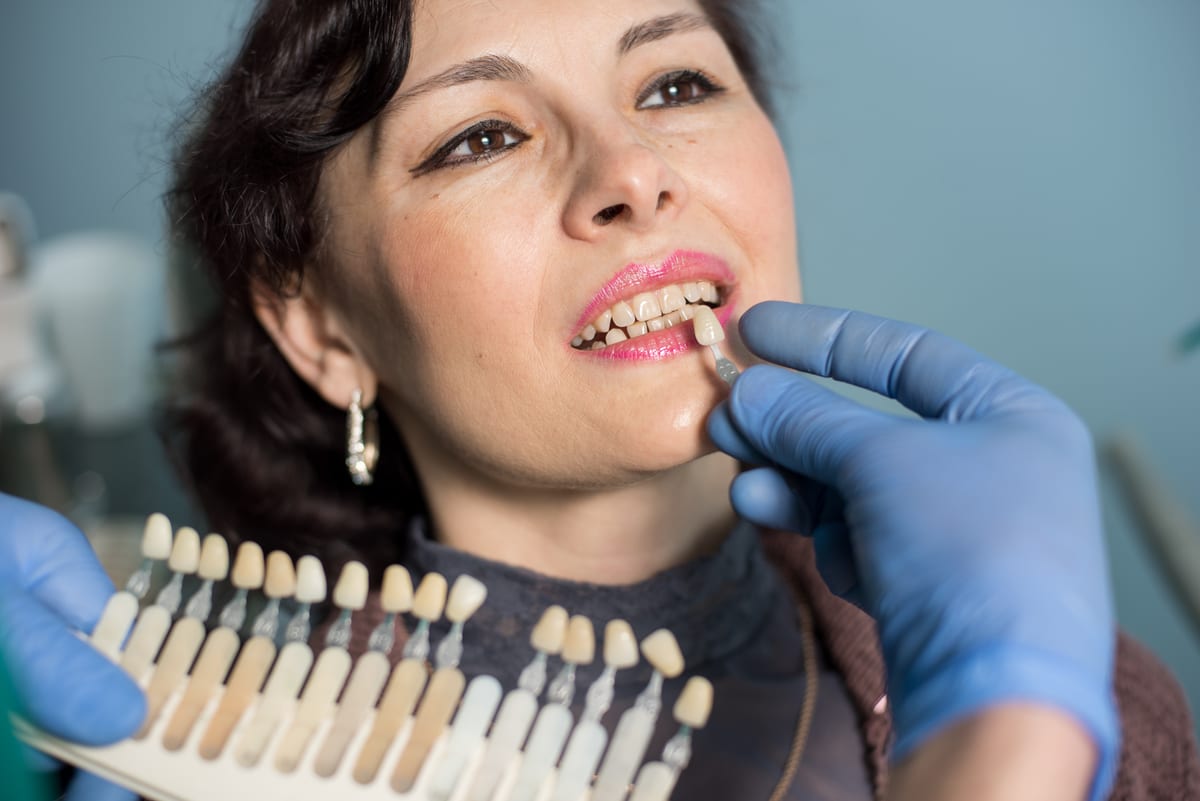
- Your current tooth shade is recorded as a baseline comparison
- A protective barrier is applied to shield your gums and soft tissue
- Whitening gel is carefully applied to the tooth surfaces
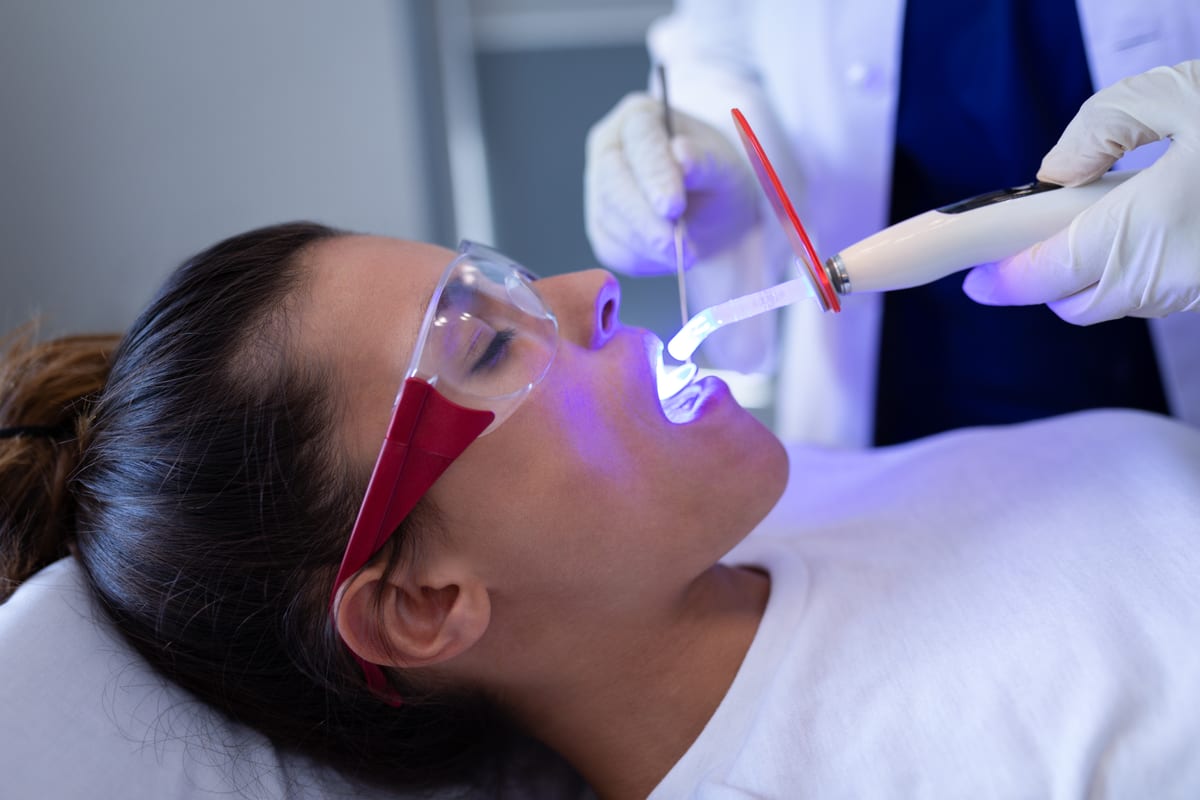
- The gel may be activated by a light source for enhanced penetration
- The gel is removed, and a post-treatment fluoride application may follow
The entire appointment typically takes about 60 to 90 minutes. Most patients see noticeable results after a single session. Touch-up treatments can extend and maintain results over time.
Conclusion: Is Professional Whitening the Right Choice for You?
For most healthy adults in Auburn, professional teeth whitening is a safe and effective way to brighten your smile. The key is having a qualified dentist evaluate your oral health first. Enamel and gum safety depend on proper technique, appropriate product concentration, and personalized care.
Dr. Rachael Cross and the team at Thrive Family Dentistry of Auburn are committed to helping patients make informed decisions. Whether you are curious about whitening, have sensitive teeth, or simply want professional guidance, we are here to help. Book Now to schedule your appointment with our team.
Frequently Asked Questions
Does professional teeth whitening damage enamel permanently?
No. Research consistently shows that professionally applied whitening treatments do not cause permanent enamel damage. Some temporary mineral loss occurs, but saliva naturally restores enamel minerals within 24 to 48 hours after treatment.
How long does tooth sensitivity last after whitening?
Sensitivity after whitening is typically short-lived. Most patients experience mild sensitivity that peaks around 24 hours and fully resolves within 48 to 72 hours. Using a desensitizing toothpaste before and after treatment helps reduce discomfort.
Can I whiten my teeth if I have crowns or veneers?
Whitening agents do not change the color of dental restorations like crowns, veneers, or bonding. Whitening your natural teeth alongside existing restorations may create visible color differences. A dentist can help you plan the best approach for a consistent result.
Is teeth whitening safe during pregnancy?
Dentists generally recommend avoiding elective whitening treatments during pregnancy and breastfeeding. While direct harm has not been conclusively proven, the precautionary recommendation is to wait until after pregnancy before pursuing whitening.
How often can I safely whiten my teeth professionally?
Most dentists recommend in-office whitening no more than once or twice per year. More frequent treatments increase the risk of enamel sensitivity and gum irritation. Your dentist will assess your specific situation and recommend a safe whitening schedule for your needs.