By Thrive Family Dentistry of Auburn | August 24, 2026
Tooth pain is never something to ignore. If you have been asking yourself, is your tooth pain actually signaling you need a root canal in Auburn, you are not alone. Many patients at Thrive Family Dentistry of Auburn come to us confused about their symptoms. Dr. Rachael Cross helps patients understand exactly what their pain means — and what to do next.
Root canals have a reputation for being scary. In reality, they relieve pain rather than cause it. Understanding the warning signs early can save your tooth and prevent a much bigger problem down the road.
Common Symptoms That Signal You May Need a Root Canal in Auburn
Your body sends clear signals when a tooth is in trouble. Recognizing these signs early gives you the best chance of saving the tooth. Many patients dismiss symptoms as minor, but that delay can make treatment more complex.
Here are the most common warning signs that a root canal may be necessary:
- Severe, persistent toothache — especially pain that throbs or feels deep in the jaw
- Prolonged sensitivity to hot or cold — lasting well after the temperature source is removed
- Darkening or discoloration of the tooth — often a sign of nerve damage inside
- Swollen or tender gums near a specific tooth
- A pimple-like bump on the gum — called a dental abscess or fistula
- Pain when chewing or touching the tooth — especially if it worsens over time
Not every symptom appears at once. Some patients experience only one or two signs. That is exactly why a professional evaluation is so important.
Why Waiting Makes Everything Worse
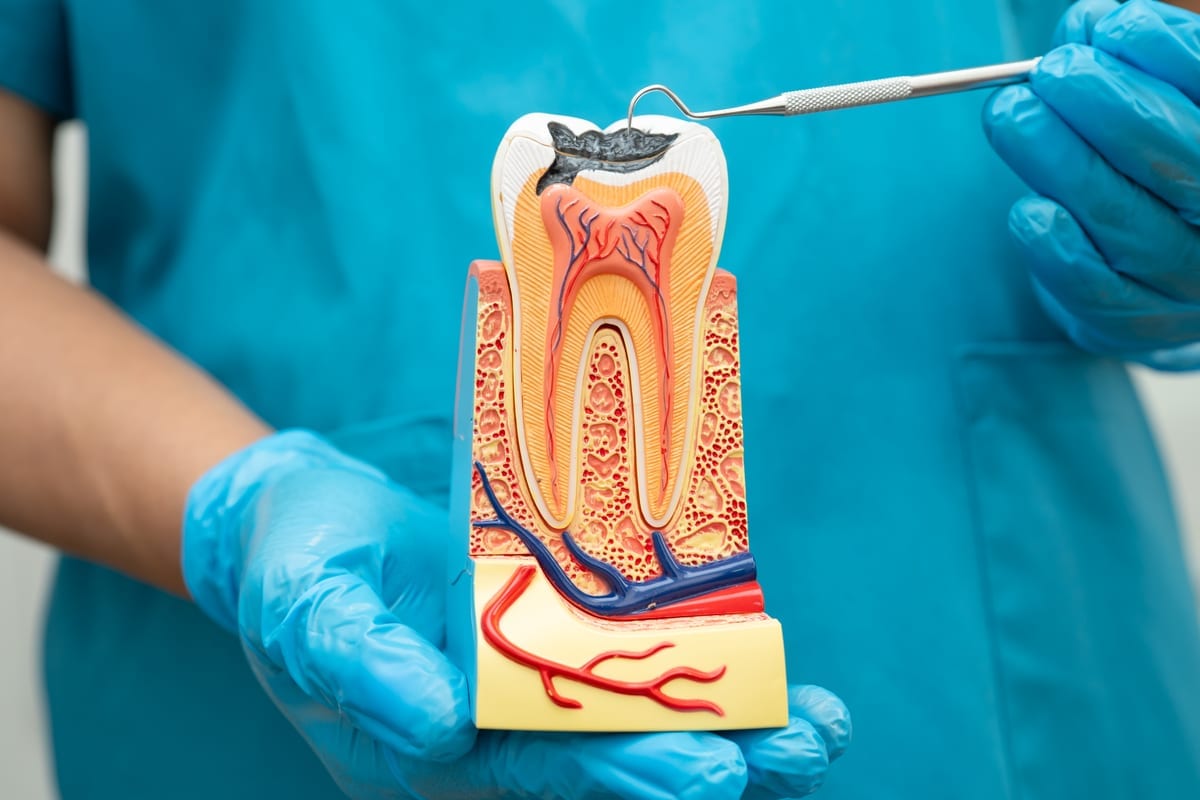
Dental infections do not resolve on their own. When the pulp — the soft tissue inside your tooth — becomes infected, bacteria continue to multiply. Waiting even a few days can allow the infection to spread beyond the tooth itself.
Here is what can happen when root canal treatment is delayed:
- The infection can spread to surrounding teeth and bone
- An abscess may form, causing severe swelling and pain
- The tooth may become non-restorable, requiring extraction
- Infection can enter the bloodstream in rare but serious cases
Tooth loss is a serious consequence of delayed treatment. Replacing a missing tooth requires solutions like Dental Implants Auburn patients rely on. Acting early is always the better choice.
Beyond the health risks, waiting also changes the complexity of the procedure. An early-stage infection responds more predictably to treatment. A long-standing infection may involve more damage to surrounding tissue.
What Actually Happens During a Root Canal?
Many patients fear root canals because of outdated myths. Modern root canal treatment is precise, comfortable, and typically completed in one or two visits. Dr. Rachael Cross uses the latest techniques to make the experience as smooth as possible for Auburn patients.
The process generally involves these steps:
- Diagnosis and X-rays — We confirm infection and assess the extent of damage
- Local anesthesia — The area is fully numbed before any work begins
- Pulp removal — The infected tissue inside the tooth is carefully removed
- Cleaning and shaping — The canals are disinfected and shaped for filling
- Sealing the tooth — A biocompatible material fills and seals the canal
- Crown placement — A dental crown restores strength and function to the tooth
Most patients report that the procedure feels similar to getting a routine filling. The relief from pain after treatment is often immediate. That is a far better outcome than living with an untreated infection.
Preventing Future Tooth Infections in Auburn
Once you have completed root canal treatment, protecting your remaining teeth becomes the priority. Prevention is always easier than treatment. Small daily habits make a significant difference over time.
Good oral hygiene is your first line of defense. Brush twice daily and floss every day without exception. Routine checkups at Thrive Family Dentistry of Auburn catch problems before they become infections.
For younger patients or those prone to cavities, preventive treatments can add an extra layer of protection. Options like Dental Sealants Auburn families trust are applied to back teeth to block decay-causing bacteria. Prevention costs far less — in time, money, and discomfort — than treatment.
Diet also plays a role. Limiting sugary drinks and acidic foods reduces the bacterial load in your mouth. Staying hydrated and rinsing with water after meals supports a healthier oral environment.
When to Call Dr. Rachael Cross Right Away
Some symptoms require urgent attention. Do not wait for your next scheduled appointment if you experience any of the following.
Call our Auburn office immediately if you notice:
- Sudden, severe tooth pain that does not subside
- Visible swelling in the face, jaw, or neck
- Fever combined with tooth pain or swollen gums
- Difficulty swallowing or breathing alongside dental pain
These symptoms may indicate a spreading infection that needs emergency care. At Thrive Family Dentistry of Auburn, we offer Emergency Dentistry for exactly these situations. Your safety always comes first.
Trust your instincts. If something feels wrong with your tooth, it probably needs attention. A quick call or visit can prevent a minor issue from becoming a major health concern.
Conclusion: Do Not Let Tooth Pain Linger in Auburn
Your tooth pain is your body asking for help. Recognizing the signs of a needed root canal early gives you the best possible outcome. Dr. Rachael Cross and the team at Thrive Family Dentistry of Auburn are here to guide you through every step with care, compassion, and expertise. Book Now to schedule your appointment with our team.
Frequently Asked Questions
How do I know if my toothache means I need a root canal?
Persistent throbbing pain, sensitivity that lingers after heat or cold, gum swelling, and tooth discoloration are key warning signs. The most reliable way to know for certain is to visit Dr. Rachael Cross for an examination and X-rays. Early evaluation gives you the clearest picture of what is happening inside your tooth.
Is a root canal painful?
Root canal treatment is performed under local anesthesia, so you should feel little to no pain during the procedure. Most patients are surprised by how comfortable the experience is. The pain relief after treatment is often significant, especially if you were dealing with an active infection beforehand.
What happens if I do not get a root canal when I need one?
Delaying treatment allows the infection to spread to surrounding teeth, gum tissue, and bone. In serious cases, infection can enter the bloodstream and become a systemic health risk. Eventually, the tooth may need to be extracted entirely, which leads to more complex and costly replacement options.
How long does a root canal procedure take at Thrive Family Dentistry of Auburn?
Most root canal procedures are completed in one to two appointments. The length depends on the number of canals in the tooth and the severity of the infection. Dr. Rachael Cross will give you a clear timeline during your initial consultation so you can plan accordingly.
Can I prevent needing a root canal in the future?
Yes, in many cases. Consistent brushing, daily flossing, and regular dental checkups significantly reduce your risk of deep decay and infection. Protective treatments like dental sealants and prompt attention to cavities before they grow also help keep your teeth healthy long-term.